Hungary's Nuclear Plant Shutdown: Climate Strains Reactor Cooling
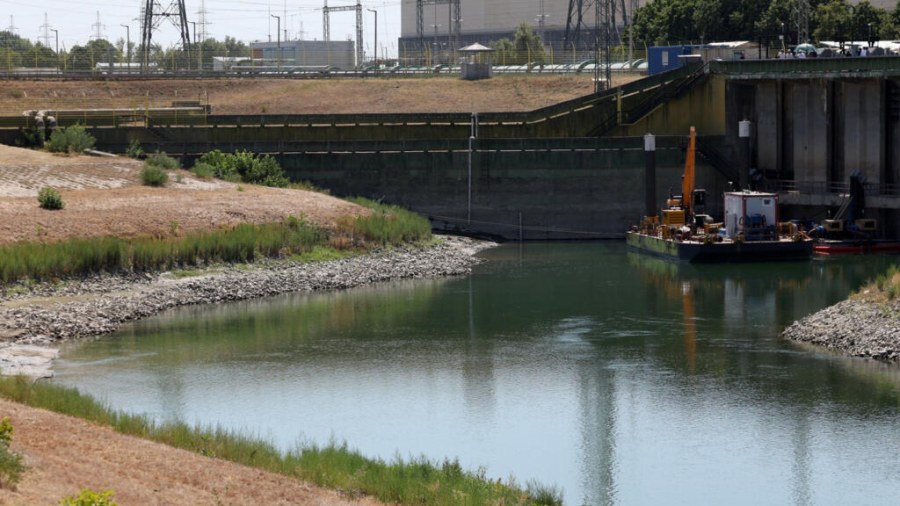
Amid soaring temperatures and persistent drought conditions, Hungary faces a critical shutdown of its nuclear facilities. The ongoing environmental challenges have led to insufficient water levels needed to efficiently cool reactor operations. As a result, Hungary has taken the decisive measure of shutting down a nuclear reactor responsible for supplying energy to approximately 50% of the nation.
The situation underscores a growing dilemma for nuclear energy, long considered a cornerstone of sustainable energy strategies. While nuclear power offers a low-carbon alternative to traditional fossil fuels, its reliance on substantial water resources for reactor cooling processes presents a vulnerability during extreme weather patterns. This development in Hungary highlights the increasing need for adaptive strategies within the nuclear sector.
As climate change intensifies, European nations may need to reassess their energy portfolios and infrastructure resilience. The recent operational halt at the Hungarian plant serves as a stark reminder of the potential for climate impacts to disrupt energy security, emphasizing the urgency for integrated environmental and energy policy responses.