Protests, boycott cast shadow on Pakistan-administered Kashmir election
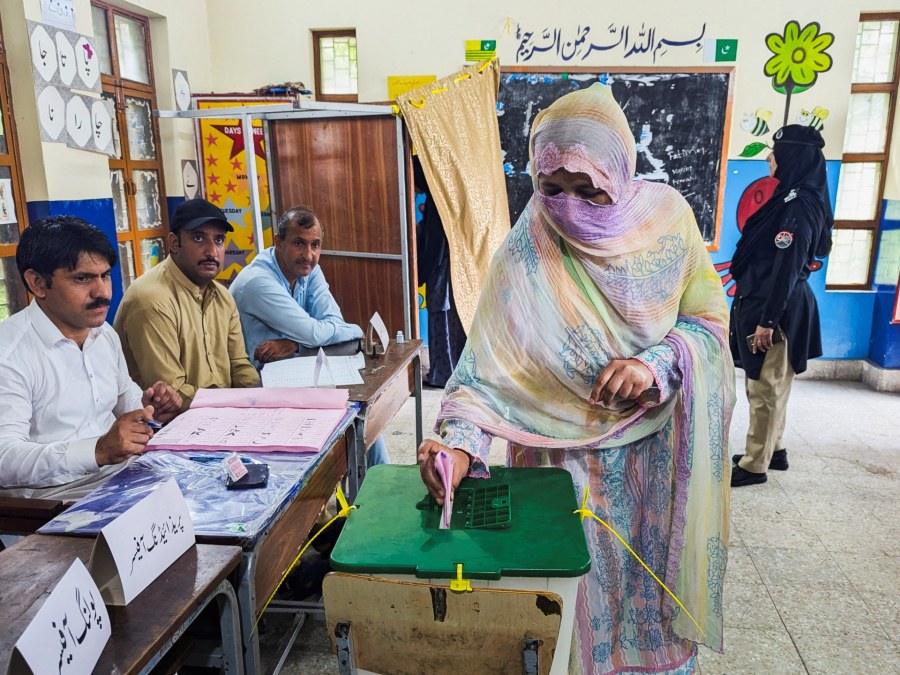
For a city meant to be voting on Sunday, it looked remarkably like one that had already decided not to. The unrest dates back to June 5 when authorities banned the Jammu Kashmir Joint Awami Action Committee (JAAC), a local pressure group, for holding demonstrations over rising prices and governance. The JAAC protests soon evolved into a campaign demanding the abolition of 12 seats in the regional Legislative Assembly reserved for displaced Kashmiris living elsewhere in Pakistan.
As the JAAC protests intensified, Pakistani authorities launched a crackdown on its leaders. Meanwhile, weeks of marches, negotiations, and crackdowns forced the Election Commission to split the voting into three phases. The Mirpur division voted on July 27, followed by the Muzaffarabad division and the 12 refugee constituencies on Sunday. The Poonch division, the JAAC’s stronghold and the site of its deadliest clashes with authorities, is to vote last on August 10. An intermittent internet shutdown stretching beyond 50 days has disrupted campaigning and made reporting from the region increasingly difficult.
The second phase of voting began at 8am (03:00 GMT) on Sunday under heavy security. Paramilitary personnel and police were deployed across Muzaffarabad. Markets, banks, and petrol stations had been closed since Friday, and public transport was suspended as deadly protests spread. Residents and rights groups said the death toll has surpassed 50, including at least seven law enforcement personnel. The government has not shared an official death toll. The JAAC said more than 60 civilians have been killed since June. Its leaders are not contesting the election, and the group has called for a boycott of the vote. In one of Muzaffarabad’s main squares, groups of young men gathered to denounce the election and criticise the political establishment. “We have no issue with Pakistan or its armed forces,” a man in his late 20s told Al Jazeera.